5 min
5 min 425 ppl
Russian agriculture is a single, complex mechanism. If winter crops lay the foundation of the harvest in the autumn, then spring crops take over the relay in the spring. They are sown during the warm season and provide the country with a stable, high-quality harvest. What is their fundamental difference from winter crops, and why are they so important for the industry? We answer these and other questions in this article.
What are Spring Crops?
Spring crops are a group of plants whose life cycle fits entirely into one growing season: from spring sowing to harvesting in the same year.
The main difference from winter crops lies in biological requirements. Winter crops need vernalization (a period of exposure to low temperatures) for development, which is why they are sown before winter. Spring crops, however, do not require cooling and need warmth from the very beginning of growth.
Spring crops are divided into two groups:
- Early - barley, wheat, oats, peas. They germinate at low positive temperatures and are suitable for the earliest possible sowing.
- Late - corn, buckwheat, millet. These crops are sown only in well-warmed soil, when the threat of spring frosts has passed.
Main Spring Crops of Russia
Thanks to its vast geography and various climatic zones, Russia can grow many spring crops.
Spring Barley
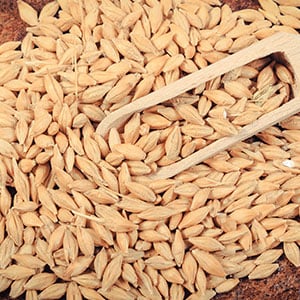
Most popular in the brewing industry. It can be grown both in the Black Earth region and in Siberia. It is the spring varieties that most often provide the necessary extract content and optimal protein levels, distinguishing them from winter varieties, which are more suitable for the feed industry.
Spring Wheat
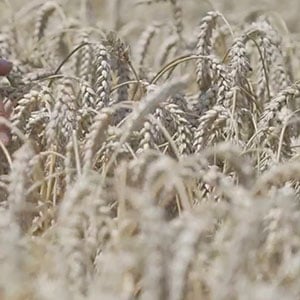
Unlike winter wheat, which is ideally suited for overwintering in southern Russia, spring wheat is more popular beyond the Urals and in Siberia. The climate in these regions is too harsh for winter crops to overwinter, making spring wheat the only option. It is valued for its baking properties: a high gluten content makes it indispensable for producing high-grade flour.
Other Crops
- Oats - an undemanding crop used in the food and feed industries.
- Grain legumes (peas, chickpeas) - an important source of plant protein, which perfectly enriches the soil with nitrogen and prepares it for sowing other crops.
- Corn - a late crop also actively used in the feed and food industries.
Features of Spring Crop Cultivation
The agrotechnology of spring crops is always a race against time. The main limiting factor here is moisture.
Soil for spring crops is often prepared in the autumn (autumn plowing) to accumulate snow and water. In spring, farmers only perform "moisture sealing" and pre-sowing cultivation.
It is important to adhere to sowing dates, especially for early crops. A delay of even a few days can lead to the loss of a significant part of the harvest due to the rapid drying of the topsoil. At the same time, many spring crops (for example, durum wheat) are capable of showing excellent results even during severe drought.
Importance of Spring Crops in Agriculture
Spring crops occupy more than half of the country's sown areas, and there are substantial reasons for this.
- Climate - Spring crops yield a good harvest even in risky farming zones (Siberia, the Urals, Northern Kazakhstan), where winter crops often freeze out.
- Insurance Fund - In case of poor overwintering of winter crops, fields are reseeded precisely with spring crops ("field repair"), ensuring farmers get a quality harvest in any situation.
- Raw Materials - Spring crops provide industry with specific raw materials that cannot be obtained from winter crops, such as high-quality malting barley, "strong wheat," etc.
Prospects
Russian breeders are actively working on creating varieties adapted to climate change. Their priorities are increasing drought resistance and shortening the growing season so that crops are suitable for the harshest climatic zones.
For the brewing industry, this means the emergence of new, stable varieties of spring barley. Modern breeding aims to achieve a predictable yield and high technological qualities of grain even under unstable weather conditions, guaranteeing a reliable base for the beverage industry.